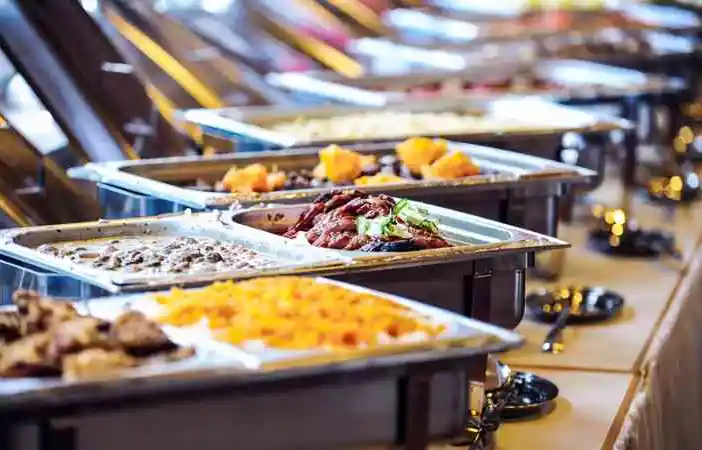
Top Catering Trends Transforming Events This Year
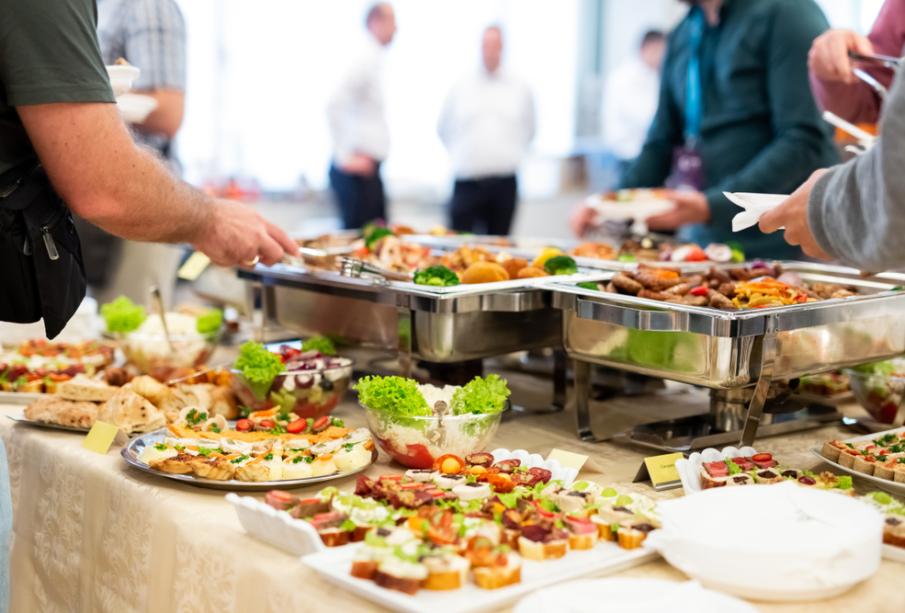
Event catering is evolving rapidly as hosts look for more immersive, personalized, and sustainable dining experiences. Today’s celebrations are no longer defined by traditional buffet spreads alone. Instead, interactive service styles, thoughtful menu design, and guest-centered presentation are reshaping how food enhances events.
Understanding current catering trends helps organizers create memorable gatherings that feel modern, engaging, and well-coordinated.
Interactive Food Stations Are Taking Center Stage 👨🍳
One of the most noticeable shifts in catering is the rise of live and interactive food stations. Guests enjoy watching meals being prepared fresh while customizing dishes to their preferences.
Popular interactive station ideas include:
- Live pasta or stir-fry counters
- Fresh chaat or street-food stations
- Gourmet taco or slider bars
- Artisan dessert assembly counters
- Mocktail blending stations
These setups encourage movement, conversation, and engagement across the event space.
Personalized Menus Are Replacing Standard Packages
Hosts increasingly prefer catering that reflects their event’s identity rather than relying on fixed menus. Customization is now a defining expectation.
Personalized menu experiences may include:
- Regionally inspired cuisine selections
- Signature dishes representing family traditions
- Corporate brand-themed presentations
- Seasonal ingredient-focused menus
Tailored menus help guests feel the event has been thoughtfully designed rather than mass-produced.
Sustainable Catering Practices Are Becoming Essential 🌱
Environmental awareness is influencing catering decisions more than ever before. Many hosts now prioritize eco-conscious food planning.
Common sustainability-focused approaches include:
- Locally sourced ingredients
- Reduced single-use plastics
- Portion-controlled serving strategies
- Compostable serving materials
- Seasonal produce selection
These choices support responsible hosting while maintaining quality and taste.
Smaller Plates With Bigger Impact
Miniature servings and tasting-style presentations are replacing heavy single-plate meals in many modern events. This trend improves both presentation and guest experience.
Benefits of small-format servings include:
- Encouraging guests to try multiple flavors
- Reducing food waste
- Supporting flexible dining schedules
- Creating visually attractive displays
This format works especially well for receptions, networking events, and cocktail-style celebrations.
Global Fusion Flavors Are Gaining Popularity 🌍
Guests are increasingly interested in diverse culinary experiences. Fusion menus combine traditional recipes with global influences, creating exciting flavor combinations.
Trending fusion ideas include:
- Indo-Italian appetizers
- Asian-inspired street snacks
- Mediterranean-style vegetarian platters
- Middle Eastern dessert pairings
These creative blends introduce variety while keeping menus approachable.
Health-Conscious Catering Options Are Expanding
Modern guests often look for lighter and nutritionally balanced choices during events. As a result, catering menus now include more wellness-friendly selections.
Popular healthy menu additions include:
- Plant-forward dishes
- Low-oil cooking styles
- Fresh fruit-based desserts
- Whole-grain serving options
- Naturally flavored beverages
Offering balanced options ensures everyone finds something enjoyable.
Elegant Visual Presentation Is Becoming a Priority 🎨
Food presentation now plays a major role in how events are perceived. Carefully styled displays elevate the overall atmosphere and reinforce the event’s theme.
Presentation trends include:
- Layered buffet styling
- Color-coordinated dish arrangements
- Minimalist plating techniques
- Decorative garnish accents
- Themed serving stations
These details transform dining areas into focal points rather than background elements.
Flexible Catering Formats Are Replacing Fixed Dining Schedules
Modern events often follow fluid timelines instead of rigid meal structures. Catering services now adapt to this flexibility.
Examples of flexible formats include:
- Grazing tables throughout the event
- Rolling snack service
- Staggered meal stations
- Late-evening comfort food counters
This approach keeps guests energized without interrupting event flow.
Technology Is Improving Catering Coordination 📲
Digital planning tools are making catering logistics smoother for both hosts and service providers.
Technology-supported improvements include:
- Online menu previews
- Guest dietary tracking
- Real-time service coordination
- Digital portion planning
- Event timeline synchronization
These tools help reduce last-minute confusion and improve service accuracy.
Frequently Asked Questions (FAQs)
1. How early should catering trends be considered during event planning?
It’s best to explore catering concepts during the initial planning stage so menu design aligns with the event theme and guest expectations.
2. Are interactive food stations suitable for formal events?
Yes. When styled appropriately, live stations can complement both formal and semi-formal celebrations without disrupting elegance.
3. Do modern catering trends increase event costs significantly?
Not necessarily. Many trends focus on smarter planning rather than expensive upgrades, helping maintain budget balance.
4. Can fusion menus work for traditional celebrations?
Fusion elements can be introduced gradually alongside classic dishes to maintain familiarity while adding variety.
5. Are sustainable catering practices practical for large guest lists?
Yes. Many caterers now offer scalable eco-friendly solutions suitable for events of different sizes.
6. How can hosts ensure guests with dietary restrictions feel included?
Sharing guest preferences in advance allows caterers to prepare alternative options without affecting service flow.
7. Is flexible dining better than fixed meal schedules for events?
Flexible dining works especially well for social gatherings and networking events where guests prefer movement and interaction over structured seating.