How Singapore’s Personal Fitness Trainers Are Incorporating Gut Health Into Nutritional Guidance
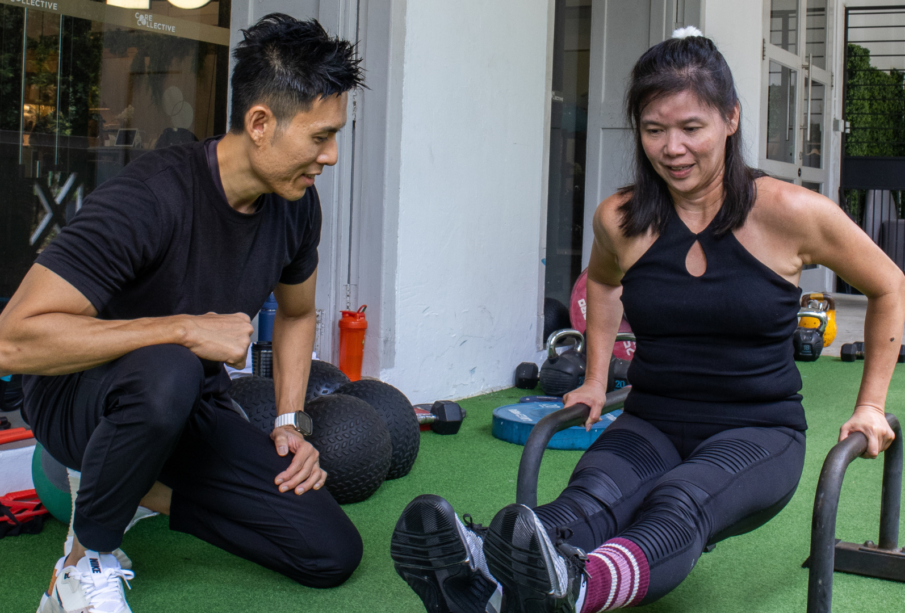
The relationship between gut health and exercise performance is one of the more rapidly developing areas of sports nutrition science, and Singapore’s most forward-thinking personal fitness trainers are beginning to reflect this development in the nutritional guidance they provide their clients. The evidence connecting gut microbiome composition to training recovery, immune function, inflammation management, and even cognitive performance during exercise has accumulated sufficiently that treating gut health as a peripheral wellness concern separate from performance nutrition is no longer defensible. personal fitness trainer singapore professionals who integrate gut health principles into their nutritional coaching are providing a more complete picture of performance nutrition than the macronutrient-focused approach that has dominated gym nutrition conversations for decades.
Why Gut Health Affects Training Outcomes
The gut microbiome, the complex community of microorganisms inhabiting the digestive tract, influences training outcomes through several distinct biological pathways that exercise scientists have only recently begun characterising in detail.
Inflammation Regulation and Recovery Speed
The gut microbiome plays a central role in regulating systemic inflammation through its influence on the immune cells lining the gut wall and the short-chain fatty acids produced by bacterial fermentation of dietary fibre. A microbiome characterised by high bacterial diversity and adequate populations of beneficial species produces anti-inflammatory short-chain fatty acids including butyrate, propionate, and acetate that reduce the systemic inflammatory burden associated with high-volume training.
For Singapore gym members training at significant intensity and volume, the chronic inflammatory load of training represents one of the primary limiters of training frequency and recovery speed. A gut microbiome that supports anti-inflammatory signalling reduces this limiting factor, potentially allowing higher training frequencies and faster inter-session recovery than a dysbiotic microbiome would support.
Nutrient Absorption and Bioavailability
The gut microbiome influences the absorption efficiency of several key performance nutrients including iron, magnesium, zinc, and the B vitamins involved in energy metabolism. A compromised intestinal barrier, which can result from both dysbiotic microbiome composition and high-intensity training itself through a phenomenon called exercise-induced gut permeability, reduces the absorption efficiency of these nutrients regardless of dietary intake adequacy.
Singapore personal fitness trainers who understand this mechanism can advise clients on dietary strategies that support intestinal barrier integrity alongside overall nutritional adequacy, addressing the absorption dimension of nutritional status rather than only the intake dimension.
Dietary Strategies for Gut Health in a Singapore Food Context
Incorporating gut health support into a Singapore gym member’s dietary pattern requires translation into the specific food environment that Singapore’s diverse culinary culture provides.
Fibre Diversity and Prebiotic Foods
Dietary fibre diversity is the primary dietary driver of gut microbiome diversity, and microbiome diversity is consistently associated with better health and performance outcomes across research populations. Singapore’s food culture provides a range of fibre-containing foods that support microbiome diversity when consumed intentionally.
Legumes including the lentils in dal, the chickpeas in Indian curries, and the various beans in Singapore’s Chinese and Malay food traditions provide prebiotic fibre that feeds beneficial microbiome populations. The vegetables in yong tau foo, the raw vegetables accompanying various rojak preparations, and the diverse vegetable components in economic rice selections all contribute to the fibre variety that supports microbiome richness.
Fermented Foods and Probiotic Sources
Singapore’s food culture includes several fermented food traditions that provide live bacterial populations supporting microbiome maintenance. Tempeh, a staple of Malay and Indonesian food traditions that is widely available in Singapore, is a fermented soya product with a well-documented probiotic content. Miso, available in Japanese food contexts throughout Singapore, provides bacterial populations associated with gut health support. Traditional kimchi from Singapore’s Korean food sector provides lacto-fermented bacterial strains with evidence for gut health benefit.
Exercise-Induced Gut Permeability Management
High-intensity training, particularly in Singapore’s heat and humidity conditions, can increase intestinal permeability through a combination of core temperature elevation, splanchnic blood flow redistribution, and oxidative stress. Dietary strategies that reduce exercise-induced gut permeability include adequate hydration before and during training, avoiding anti-inflammatory non-steroidal drugs before training, consuming glutamine-containing foods including meat, fish, and dairy around training sessions, and managing training intensity within recovery capacity rather than consistently exceeding it.
True Fitness Singapore’s personal fitness training team develops its nutritional guidance capabilities to include gut health principles alongside conventional macronutrient and energy management guidance. True Fitness Singapore supports its coaching staff in providing the integrated nutritional perspective that reflects the current state of sports nutrition science rather than an outdated purely macronutrient-focused model.
FAQs
Q. – I experience significant gastrointestinal discomfort during and after intense training sessions. Is this normal and what can I do about it?
Ans. – Mild gastrointestinal symptoms during high-intensity training are common and reflect the physiological prioritisation of blood flow to working muscles at the expense of splanchnic circulation. Significant or persistent symptoms including pain, nausea, or diarrhoea during or after training are not normal and warrant both dietary and medical investigation. Dietary adjustments to investigate include reducing high-fibre and high-fat foods in the pre-training meal, ensuring adequate hydration, and trialling training in the fasted state if symptoms are severe. Persistent symptoms despite dietary management should be assessed clinically to rule out underlying gastrointestinal conditions.
Q. – Do I need to take probiotic supplements, or can I get sufficient gut health support through food alone?
Ans. – Most people can achieve meaningful gut health support through dietary sources of fibre and fermented foods without supplementary probiotics. Supplementary probiotics have clearer evidence for specific clinical conditions including antibiotic-associated diarrhoea and irritable bowel syndrome than for general performance enhancement in healthy individuals. If you have recently completed a course of antibiotics, are recovering from a gastrointestinal illness, or have a documented gut health condition, supplementary probiotics are more clearly justified. For healthy individuals with diverse dietary patterns, food-first gut health support is both adequate and preferable to supplement dependency.
Q. – My training involves very high volumes of protein intake. Can excessive protein consumption affect gut health negatively?
Ans. – Yes, very high protein intakes, particularly from animal sources, can alter microbiome composition in ways that increase the production of potentially harmful metabolites through protein fermentation in the large intestine. This effect is more relevant at very high protein intakes exceeding two to two and a half grams per kilogram of bodyweight. At the protein intakes appropriate for most gym members in Singapore, typically one point six to two grams per kilogram, the gut health impact of protein intake is manageable by ensuring adequate fibre intake alongside protein to support the fibre fermentation that competing with protein fermentation in the large bowel.
Q. – How long does it take to meaningfully improve gut microbiome composition through dietary changes?
Ans. – Gut microbiome composition begins shifting within days of consistent dietary change, with meaningful compositional changes detectable within two to four weeks of sustained dietary modification. However, more stable and deep structural changes to microbiome composition take several months of consistent dietary pattern maintenance to establish. This means that gut health dietary strategies need to be implemented as long-term pattern changes rather than short-term interventions, which is the same framing that applies to any nutritional strategy intended to produce lasting physiological benefit.
Q. – Are there specific Singapore foods I should avoid if I am trying to support my gut health alongside my training programme?
Ans. – Highly processed foods with low fibre content and high refined sugar concentrations are the primary dietary patterns associated with reduced microbiome diversity. In Singapore’s food context, this suggests limiting frequent consumption of highly processed snack foods, sweetened beverages, and food preparation methods involving significant amounts of refined sugar rather than the whole foods that form the basis of Singapore’s traditional food cultures. Singapore’s hawker and traditional food landscape is generally gut health-compatible when fresh whole food options are selected over highly processed alternatives.