
Plant-Based Food Trends Everyone Is Talking About
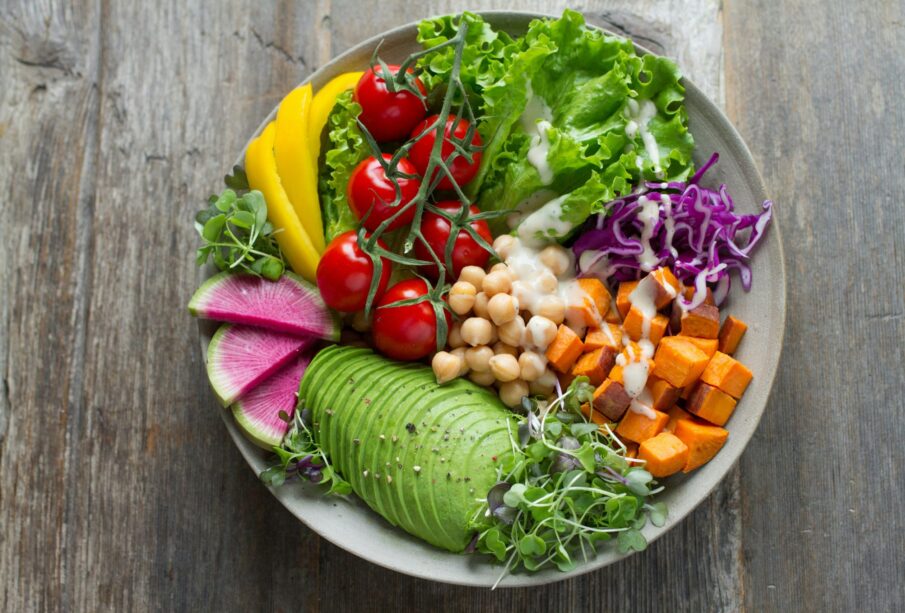
Plant-based eating is no longer a niche lifestyle choice. It has become a mainstream movement shaping how people cook, dine, and plan their meals. From home kitchens to restaurants and large-scale catering services, plant-forward menus are gaining attention for their health benefits, sustainability value, and culinary creativity.
Today’s plant-based trends go far beyond simple salads. They focus on flavor diversity, smart nutrition, and practical everyday cooking solutions that appeal to a wide range of people—not just strict vegans.
Rise of Plant-Forward Rather Than Fully Vegan Diets
One of the biggest shifts is the growing popularity of plant-forward eating, where vegetables, legumes, and grains take center stage without completely removing animal-based foods.
Common plant-forward habits include:
- Replacing one or two weekly meals with vegetarian options
- Adding legumes as protein sources
- Using vegetables as main-course ingredients
- Choosing plant-based breakfasts several times a week
This flexible approach makes plant-based eating easier to maintain long term.
Popularity of Protein-Rich Plant Ingredients
Consumers increasingly look for plant foods that provide satisfying protein without relying on meat alternatives alone.
Trending protein-rich ingredients include:
- Lentils
- Chickpeas
- Beans
- Tofu
- Tempeh
- Peas and soy-based products
These ingredients support balanced meals while offering versatility across cuisines.
Growth of Dairy-Free Alternatives 🥛
Plant-based milk and dairy substitutes are now widely available and commonly used in everyday cooking.
Popular dairy-free options include:
- Almond milk
- Oat milk
- Soy milk
- Coconut yogurt
- Cashew-based spreads
Many households now keep these alternatives as regular pantry staples rather than occasional substitutes.
Expansion of Global Plant-Based Cuisine 🌍
International cuisines have played a major role in shaping plant-based trends. Many traditional dishes naturally rely on vegetables, grains, and legumes.
Frequently explored global inspirations include:
- Mediterranean vegetable platters
- Indian lentil-based meals
- Middle Eastern hummus and falafel dishes
- Asian stir-fried tofu and vegetable combinations
These options introduce variety while maintaining strong nutritional value.
Whole Foods Are Replacing Highly Processed Options
Earlier plant-based trends focused heavily on processed substitutes. Today, many people prefer whole, minimally processed ingredients for everyday meals.
Whole-food plant choices include:
- Seasonal vegetables
- Whole grains like brown rice and millet
- Fresh fruits
- Nuts and seeds
- Natural legumes
This shift improves both taste quality and nutrient intake.
Plant-Based Snacking Is Becoming Mainstream
Snacking habits are changing as more people choose lighter, plant-based alternatives between meals.
Popular snack options include:
- Roasted chickpeas
- Mixed nuts
- Fresh fruit bowls
- Vegetable sticks with hummus
- Seed-based energy bites
These snacks offer convenient nutrition without excessive processing.
Sustainable Eating Is Driving Food Choices 🌿
Environmental awareness is one of the strongest reasons behind the rise of plant-based diets. Many individuals now consider sustainability while selecting ingredients.
Sustainability-focused habits include:
- Choosing seasonal produce
- Supporting local farmers
- Reducing packaged foods
- Minimizing food waste
- Planning balanced portions
These choices support both environmental responsibility and cost control.
Creative Plant-Based Cooking at Home Is Increasing
More people are experimenting with plant-based meals in their own kitchens. Social media recipes, cooking tutorials, and easy ingredient availability have made this shift easier than ever.
Common home-cooking trends include:
- One-pot vegetable meals
- Grain-and-legume bowls
- Smoothie-based breakfasts
- Plant-based soups
- Quick stir-fry combinations
Home experimentation encourages long-term adoption of plant-forward habits.
Restaurants Are Expanding Plant-Based Menus 🍴
Dining spaces are responding quickly to changing food preferences. Many restaurants now offer dedicated vegetarian or plant-based sections.
Menu improvements often include:
- Vegetable-centered main dishes
- Dairy-free desserts
- Plant-based beverages
- Grain-based salad bowls
- Seasonal tasting plates
These additions ensure plant-based diners have more variety than ever before.
Frequently Asked Questions (FAQs)
1. Is plant-based eating suitable for people who are not vegetarian?
Yes. Many people adopt plant-based meals occasionally without fully eliminating animal products from their diet.
2. Are plant-based diets naturally lower in calories?
They can be, especially when based on whole foods rather than processed alternatives, but portion size still matters.
3. Do plant-based meals take longer to prepare than regular meals?
Not necessarily. Many plant-based dishes cook quickly, especially stir-fries, grain bowls, and soups.
4. Can plant-based eating support active lifestyles?
Yes. With proper planning that includes legumes, grains, nuts, and seeds, plant-based meals can support energy needs effectively.
5. Are plant-based ingredients easy to find in local markets?
Most staple plant-based foods such as lentils, vegetables, grains, and fruits are widely available and affordable.
6. Is plant-based eating suitable for family meals?
Yes. Many plant-based dishes are adaptable and can be prepared in ways that suit different taste preferences within households.
7. How often should someone include plant-based meals in their weekly routine?
Even replacing a few meals each week with plant-based options can contribute to healthier and more sustainable eating habits.