
Essential Knife Skills for Faster Cooking
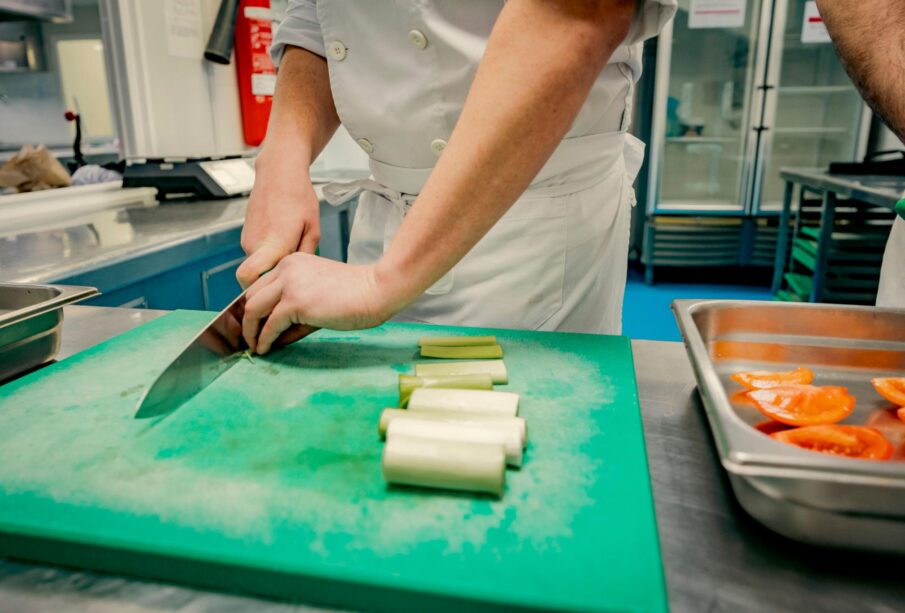
Efficient knife skills are one of the fastest ways to improve cooking speed and confidence in the kitchen. When ingredients are cut evenly and safely, meals cook more consistently, preparation becomes smoother, and kitchen stress decreases significantly. Mastering a few foundational cutting techniques can transform everyday cooking into a quicker and more enjoyable process.
These essential skills focus on safety, control, and precision—helping beginners and home cooks work smarter rather than faster.
Why Knife Skills Matter in Everyday Cooking
Proper knife handling saves time while improving the quality of your dishes. Even cuts allow ingredients to cook evenly and enhance presentation without extra effort.
Strong knife skills help you:
- Reduce preparation time
- Improve cooking consistency
- Increase kitchen safety
- Maintain ingredient texture
- Build confidence during meal prep
These benefits make knife skills one of the most valuable cooking fundamentals.
Choose the Right Knife for the Task
Using the correct knife makes cutting easier and safer. You don’t need many knives—just a few reliable essentials.
Common kitchen knives include:
- Chef’s knife for vegetables, herbs, and general chopping
- Paring knife for peeling and small detail work
- Serrated knife for bread and soft fruits
Working with the appropriate knife reduces strain and improves accuracy.
Learn the Proper Knife Grip ✋
A stable grip improves both speed and control. Instead of holding the knife handle loosely, position your fingers closer to the blade for balance.
A correct grip includes:
- Thumb and index finger resting near the blade base
- Remaining fingers wrapped around the handle
- Wrist relaxed but steady
This technique increases cutting precision immediately.
Use the Claw Method for Safety
Protecting your fingers is essential when working quickly. The claw technique keeps fingertips safely away from the blade.
To apply this method:
- Curl fingertips inward
- Use knuckles as a guide for the knife
- Move fingers back gradually as you cut
This habit builds safe and efficient cutting rhythm over time.
Master Basic Cutting Techniques First
Learning a few standard cuts dramatically improves cooking speed. These techniques form the foundation for most recipes.
Essential cuts to practice include:
- Slice – smooth forward motion for vegetables and fruits
- Dice – uniform cube-shaped pieces for even cooking
- Chop – slightly larger, quicker cuts for everyday meals
- Julienne – thin matchstick cuts for salads and stir-fries
- Mince – very fine cuts for garlic, herbs, and ginger
Practicing these regularly builds muscle memory quickly.
Keep Your Knife Sharp for Better Results
A sharp knife is safer and faster than a dull one. Sharp blades require less pressure and provide cleaner cuts.
Simple sharpening habits include:
- Using a honing rod regularly
- Storing knives properly
- Avoiding hard cutting surfaces like glass
- Scheduling periodic sharpening when needed
Sharp knives improve both efficiency and control.
Stabilize Your Cutting Board Before Starting
A moving cutting board slows preparation and increases risk of injury. Stabilizing your workspace helps maintain steady cutting motion.
Easy stabilization tips:
- Place a damp cloth under the board
- Use non-slip mats
- Work on flat surfaces only
A stable base supports smoother and quicker slicing.
Cut Ingredients Into Uniform Sizes
Uniform ingredient sizes help food cook evenly and reduce monitoring time during cooking.
Consistent cuts provide:
- Balanced cooking temperatures
- Better texture control
- Improved dish presentation
- Predictable cooking timing
This small adjustment makes a noticeable difference in meal quality.
Organize Ingredients Before You Begin
Preparing ingredients before cooking begins keeps the process efficient and distraction-free.
Helpful preparation steps include:
- Washing vegetables in advance
- Peeling ingredients early
- Grouping items by recipe stage
- Clearing workspace clutter
Organized preparation allows faster transitions between steps.
Practice Speed Gradually, Not Immediately ⏱️
Speed improves naturally through repetition. Focusing on accuracy first leads to faster results over time.
Effective practice habits include:
- Cutting slowly at first
- Maintaining steady rhythm
- Practicing one technique daily
- Repeating familiar ingredients regularly
Consistency builds both speed and confidence safely.
Frequently Asked Questions (FAQs)
1. What is the best knife size for beginners to start with?
An 8-inch chef’s knife is widely considered ideal because it balances versatility, control, and comfort for most kitchen tasks.
2. How often should kitchen knives be sharpened?
Most home cooks benefit from sharpening knives every few months, depending on frequency of use.
3. Are expensive knives necessary for improving cutting skills?
No. Proper technique matters more than price. A well-maintained mid-range knife performs effectively for everyday cooking.
4. What cutting surface is safest for knives?
Wooden or plastic cutting boards protect both the blade and the user better than glass or stone surfaces.
5. How can beginners reduce fatigue while chopping vegetables?
Using a stable cutting board, sharp knife, and relaxed grip reduces wrist strain during longer preparation sessions.
6. Is it safe to wash knives in a dishwasher?
Hand washing is recommended because dishwashers can damage blades and handles over time.
7. How long does it take to become comfortable with basic knife skills?
With regular practice several times a week, most beginners develop noticeable improvement within a few weeks.


